
How to Monitor Your Digital Marketing Results to Ensure Maximum Success
Learn how to effectively monitor and measure your digital marketing campaigns so you can optimize performance, reduce waste, and maximize your return on investment.
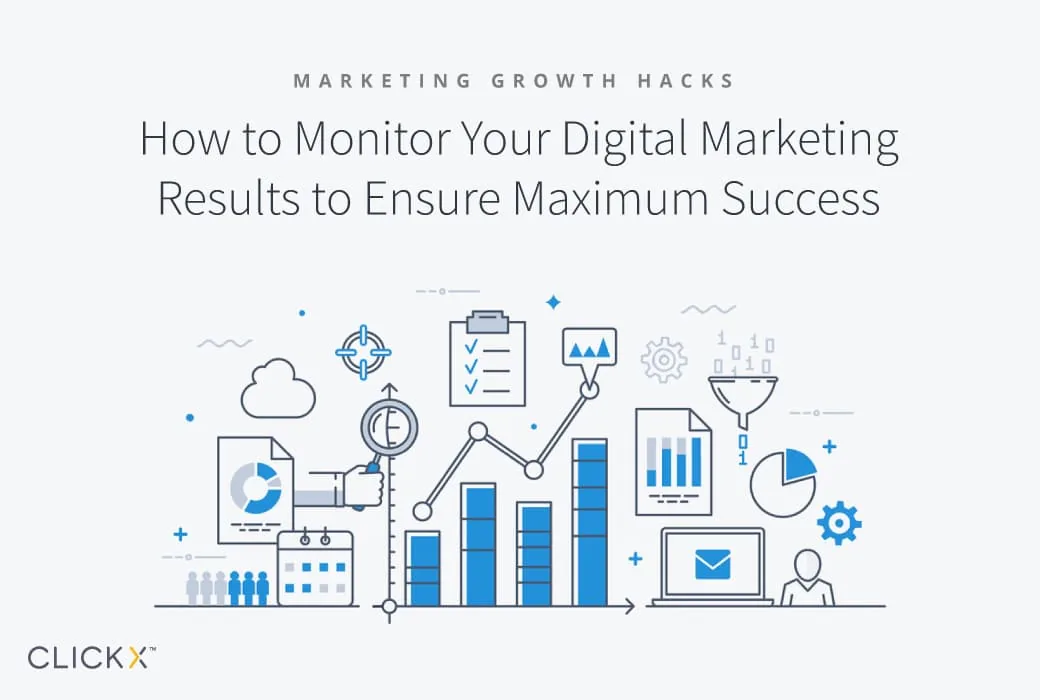
Running digital marketing campaigns without monitoring results is like throwing money into a well and hoping for the best. The businesses that win online are the ones that track performance consistently, interpret data accurately, and make informed adjustments based on what the numbers reveal.
Here is how to build a monitoring system that keeps your digital marketing efforts on track.
Establish Clear KPIs Before You Launch
Before you spend a dollar on any campaign, define what success looks like. Key performance indicators should be specific, measurable, and tied directly to business outcomes. Vanity metrics like impressions and follower counts might look nice in reports, but they rarely tell you whether your marketing is actually generating revenue.
Focus on KPIs that matter: cost per lead, conversion rate, customer acquisition cost, return on ad spend, and lifetime customer value. When your KPIs align with real business goals, your monitoring efforts produce actionable insights instead of noise.
Set Up Proper Tracking Infrastructure
Accurate monitoring starts with proper tracking. At a minimum, you need Google Analytics installed on your website with goals and events configured to capture key actions like form submissions, phone calls, and purchases. Add UTM parameters to every campaign link so you can attribute traffic and conversions to specific sources and campaigns.
For paid advertising, make sure your conversion pixels are firing correctly on Facebook, Google, LinkedIn, and any other platform you use. Broken or misconfigured tracking leads to bad data, and bad data leads to bad decisions.
Create a Reporting Dashboard
Pulling data from five different platforms every time you want to check performance is inefficient and unsustainable. Build a centralized reporting dashboard that aggregates data from all your marketing channels into a single view.
Tools like Google Data Studio, Clickx, or Databox allow you to create custom dashboards that update automatically. Include your primary KPIs, trend data over time, and breakdowns by channel so you can quickly identify what is working and what is not.
Review Performance on a Consistent Schedule
Set a regular cadence for reviewing your marketing data. Weekly check-ins help you catch problems early and capitalize on emerging opportunities. Monthly deep dives give you the broader perspective needed to evaluate trends and make strategic adjustments.
During each review, ask yourself three questions. What is performing better than expected? What is underperforming? What changes should we test next? This simple framework keeps your analysis focused and your optimizations purposeful.
Act on the Data
Monitoring without action is a waste of time. When your data reveals that a particular ad set is delivering leads at half the cost of others, increase its budget. When a landing page has a high bounce rate, test new headlines, layouts, or calls to action. When an email sequence is generating strong open rates but low click-through rates, rework your body copy and offers.
The speed at which you act on insights separates high-performing marketing teams from those that plateau.
Attribute Results Accurately
Multi-touch attribution can be complex, but even a basic understanding of how your channels work together improves your decision-making. A customer might discover your brand through a blog post, return via a retargeting ad, and convert after receiving an email. Giving all the credit to the last touchpoint undervalues the channels that started the relationship.
Use attribution models that reflect your actual customer journey, and revisit your attribution approach as your marketing mix evolves.
Commit to Continuous Improvement
Digital marketing is never a set-it-and-forget-it activity. The businesses that see the greatest returns are those that monitor relentlessly, test frequently, and optimize based on evidence rather than assumptions. Build monitoring into your weekly routine, and treat every data point as an opportunity to get better.
Written by
Solomon Thimothy
Helping businesses get found everywhere — Google, AI, podcasts, and press. Follow Clickx for the latest in digital marketing and AI visibility.
Related Articles
How to Develop a Killer Digital Marketing Strategy: Your Complete Guide
A comprehensive guide to building a digital marketing strategy that drives traffic, generates leads, and grows revenue. Learn the essential steps from research to execution.

How to Start Your Digital Marketing Agency
A step-by-step guide to launching your own digital marketing agency, from choosing your niche to landing your first clients and scaling operations.

White Label Digital Marketing: Here's All You Need to Know
A comprehensive guide to white label digital marketing, including what it is, how it works, its benefits, and how agencies can use it to scale faster.
Ready to grow?
Get Found Everywhere
AI visibility, podcast placement, press, and SEO — all in one plan.
Apply Now